
Is the Czech Republic Immigrant Friendly?
The Czech Republic has long been a destination for immigrants, particularly from neighboring countries like Slovakia, Poland, and Ukraine, as well as further afield from countries such as Vietnam, Russia, and the United States.
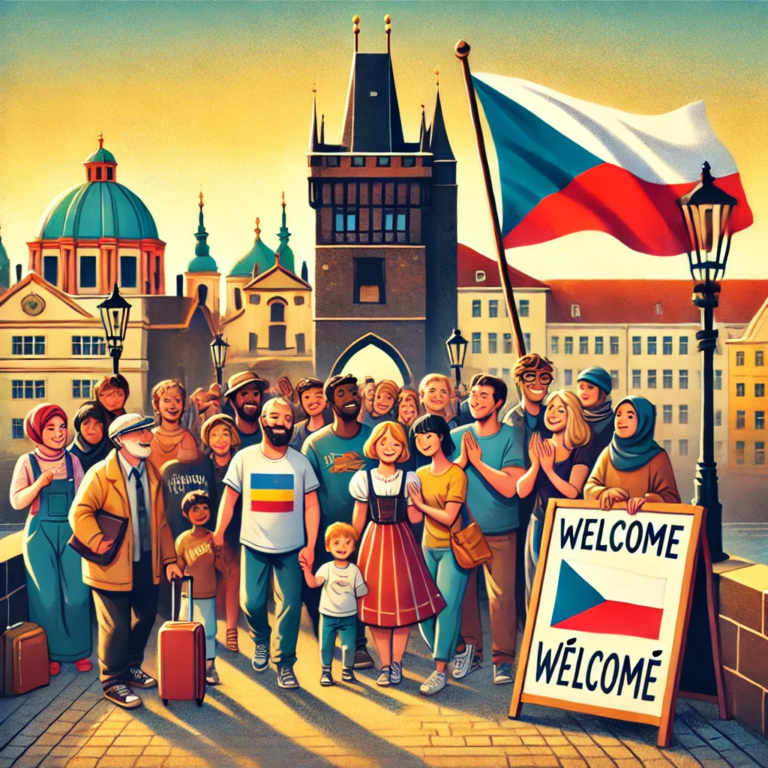
Immigration Overview
The Czech Republic, a central European nation with a rich history, has seen a steady rise in the number of immigrants over the years. As the country continues to integrate into the European Union and undergoes social and economic transformation, the question of whether it is truly immigrant-friendly has become a topic of interest.
The Czech Republic has long been a destination for immigrants, particularly from neighboring countries like Slovakia, Poland, and Ukraine, as well as further afield from countries such as Vietnam, Russia, and the United States. Since joining the EU in 2004, the country has experienced an increase in foreign nationals, many seeking employment opportunities, asylum, or a better quality of life.
Economic Factors
One of the main draws for immigrants to the Czech Republic is its robust economy. With a high standard of living, low unemployment rates, and a relatively low cost of living compared to other European nations, the Czech Republic offers attractive opportunities, especially for skilled workers. Many foreigners are employed in industries such as IT, engineering, healthcare, and manufacturing.
Social Integration
Social integration can be a mixed experience for immigrants in the Czech Republic. The country is known for its homogeneity, with Czechs having a strong national identity and cultural traditions. This can sometimes result in a reluctance to embrace immigrants, especially in smaller towns and rural areas. Major cities like Prague, Brno, and Ostrava tend to be more diverse and cosmopolitan, with a higher level of cultural exchange and more visible immigrant communities.
Language is another barrier. Czech is not widely spoken outside the country, and while many Czechs understand and speak English, especially in urban areas and in professional settings, immigrants often struggle with the Czech language. This can hinder social integration and limit job prospects, especially for those in low-skilled or manual labor positions.
Public Opinion and Attitudes
Public opinion regarding immigration in the Czech Republic has varied. Historically, the country has had a somewhat cautious approach to immigration, and in recent years, attitudes towards refugees and migrants have been more conservative. The country’s political landscape has seen the rise of nationalist and anti-immigrant parties, which have influenced public attitudes. However, many Czechs are generally accepting of immigrants who contribute economically and follow the country’s laws.
There have been concerns over integration issues, such as cultural differences, crime rates associated with immigrant populations, and the economic strain on public services. However, there are also segments of the population who are open to embracing diversity and recognize the benefits of immigration, particularly in the context of an aging population and the need for skilled workers.
Legal Framework
The Czech Republic has a well-defined legal framework for immigration, including residency permits, work visas, and asylum policies. EU citizens enjoy the right to live and work in the country without needing a visa, which makes it easier for workers from other EU countries to settle. Non-EU citizens, on the other hand, face more restrictions for a long-term visa.
For refugees, the Czech Republic has committed to EU-level quotas, though it has often been reluctant to take in significant numbers of refugees compared to some other EU member states. This has drawn criticism from human rights organizations, but the government defends its position, citing concerns over security, integration challenges, and public opinion.
Challenges:
-
Bureaucracy: Navigating the immigration process can be complex, especially for non-EU nationals. Delays and paperwork can make it difficult for immigrants to settle quickly.
-
Language Barrier: Learning Czech can be a significant challenge, and while there are courses available, they can be expensive and time-consuming.
-
Social Integration: While larger cities are diverse, rural areas can be less accepting, and immigrants may experience prejudice or isolation.
Opportunities:
-
Economic Potential: For skilled workers, the Czech Republic offers a high standard of living and competitive salaries in various sectors.
-
Cultural Exchange: Urban centers, particularly Prague, are rich in cultural diversity, offering plenty of opportunities for immigrants to connect and build networks.
-
EU Membership: As a member of the EU, the Czech Republic offers benefits for EU nationals, and there are various programs to help immigrants integrate into society.
Conclusion
While the Czech Republic offers many opportunities for immigrants, it is not without its challenges. The country is generally economically attractive, especially for those with the right skills, but social integration and acceptance can be more difficult, particularly in smaller towns. The legal process can be complex, and language is often a significant barrier. Public opinion is divided, with some Czechs welcoming immigrants and others expressing reservations, particularly regarding refugees and migrants from outside the EU.
For those considering a move to the Czech Republic, the experience can vary greatly depending on factors such as occupation, location, and personal efforts to integrate. Ultimately, the Czech Republic offers a mix of both challenges and rewards for immigrants, making it an interesting but complex destination for those seeking to start a new life.
If you like to find out more schedule an orientation with www.PragueVisas.com